|
I am a research scientist at Fraunhofer IAIS. |

|
|
My research is focused on leveraging deep learning techniques to infer hidden dynamics in complex systems. Additionally, I am interested in the intersection of machine learning and maths. I also built LLM-based solutions for various industrial applications. |
|
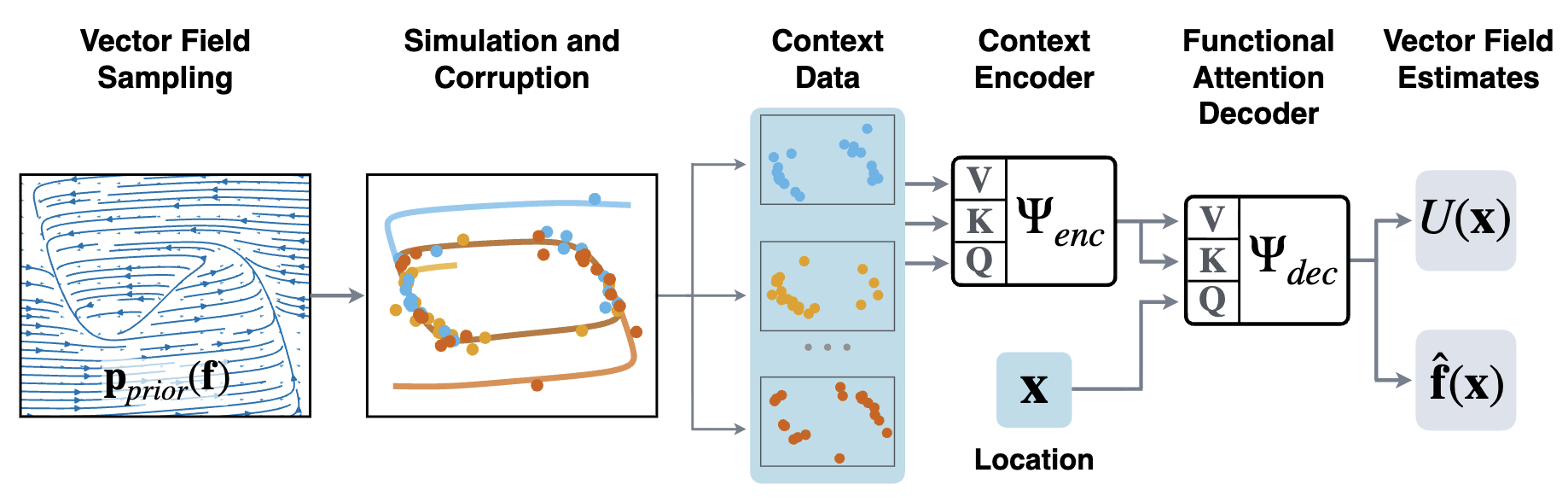
Maximilian Mauel, Johannes R. Hübers, David Berghaus, Patrick Seifner, Ramses J. Sanchez ICML 2026 paper / model This paper introduces a foundation model to infer the vector fields of ordinary differential equations from noisy trajectory data in a zero-shot setting. These can be used to model the dynamics of various scientific systems in physics, biology, or engineering. |
|
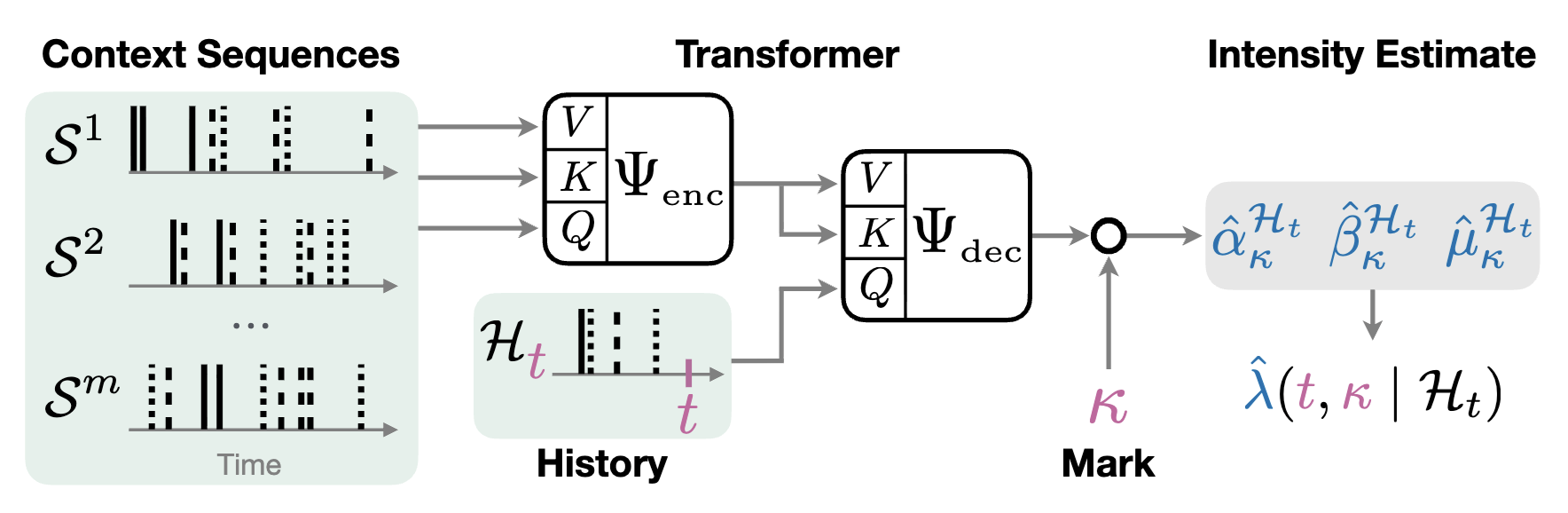
David Berghaus Patrick Seifner, Kostadin Cvejoski, Cesar Ojeda, Ramses J Sanchez ICLR 2026 paper / model This paper introduces a foundation model to predict the intensity function of temporal point processes in a zero-shot setting. These can be used to predict the dynamics of various phenomena, such as earthquakes, social interactions, or chemical reactions. |
|
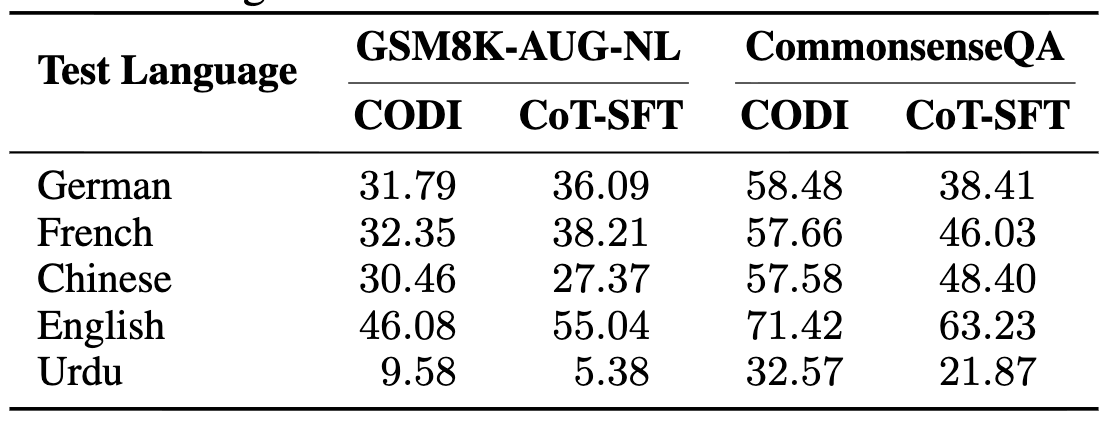
Ali Hamza Bashir, Behzad Shomali, Markus Frey, Mehdi Ali, Rafet Sifa, David Berghaus ICLR 2026 (Latent & Implicit Thinking Workshop) paper This paper studies whether reasoning in continuous latent space improves multilingual capabilities. Using the CODI framework, we find that continuous chain-of-thought significantly outperforms explicit reasoning on low-resource languages in zero-shot settings, while compressing reasoning traces by roughly 29× to 50×. |
|
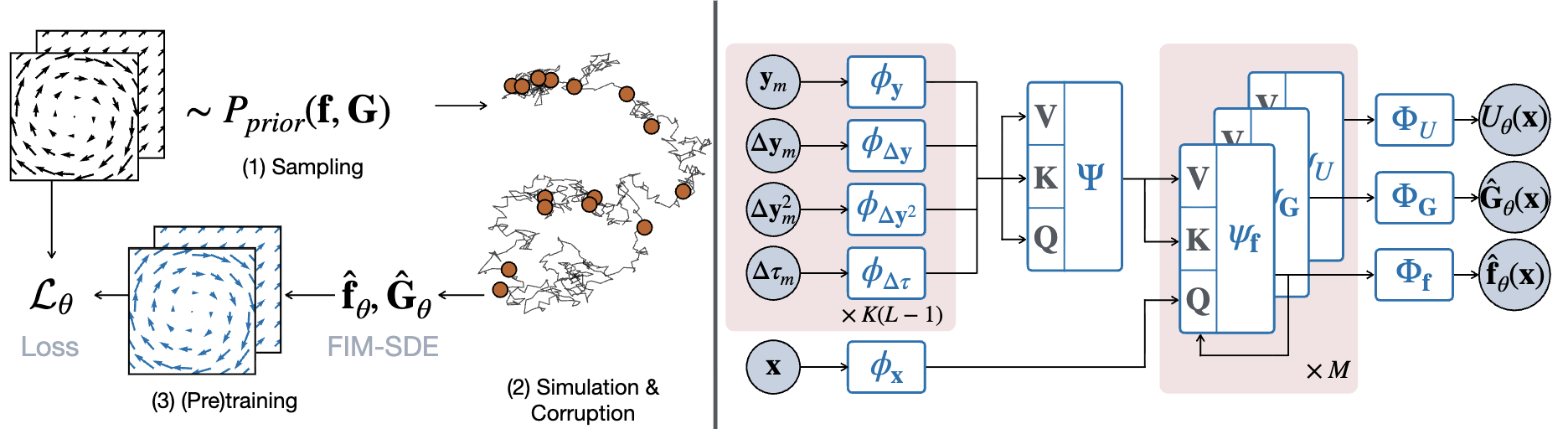
Patrick Seifner, Kostadin Cvejoski, David Berghaus, Cesar Ojeda, Ramses J Sanchez NeurIPS 2025 paper / model This paper introduces a foundation model to predict the dynamics of stochastic differential equations in a zero-shot setting. These can be used to model various phenomena, such as financial markets, physical systems, or biological processes. |
|
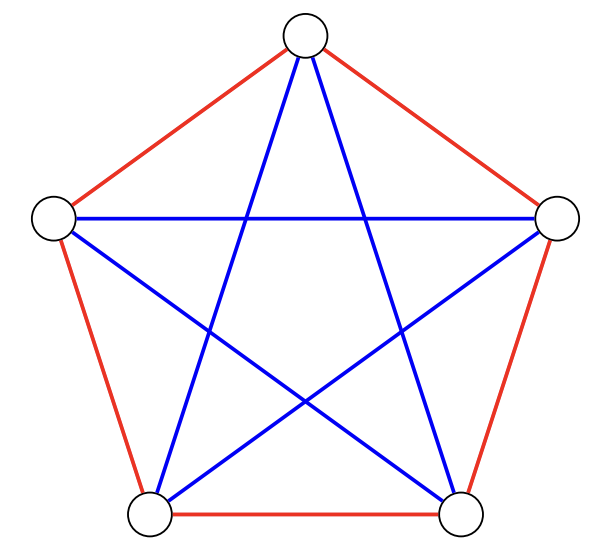
David Berghaus ICLR 2025 (ICBINB) paper / code This paper presents a novel permutation invariant architecture that combines ideas from GNNs with self-attention algorithms and is tailored for Ramsey graphs. We use RL to try to find new Ramsey graphs (with no success! :D). |
|
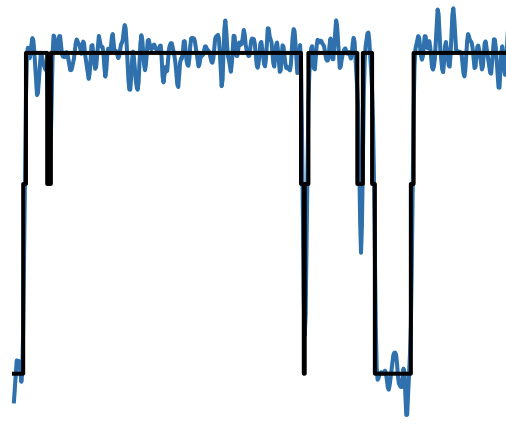
David Berghaus, Kostadin Cvejoski, Patrick Seifner, Cesar Ojeda, Ramses J Sanchez NeurIPS 2024 paper / model This paper introduces a foundation model to infer the hidden dynamics of Markov Jump Processes in a zero-shot setting. It is useful for practioners in science because they do not have to train models for each new dataset. |
|
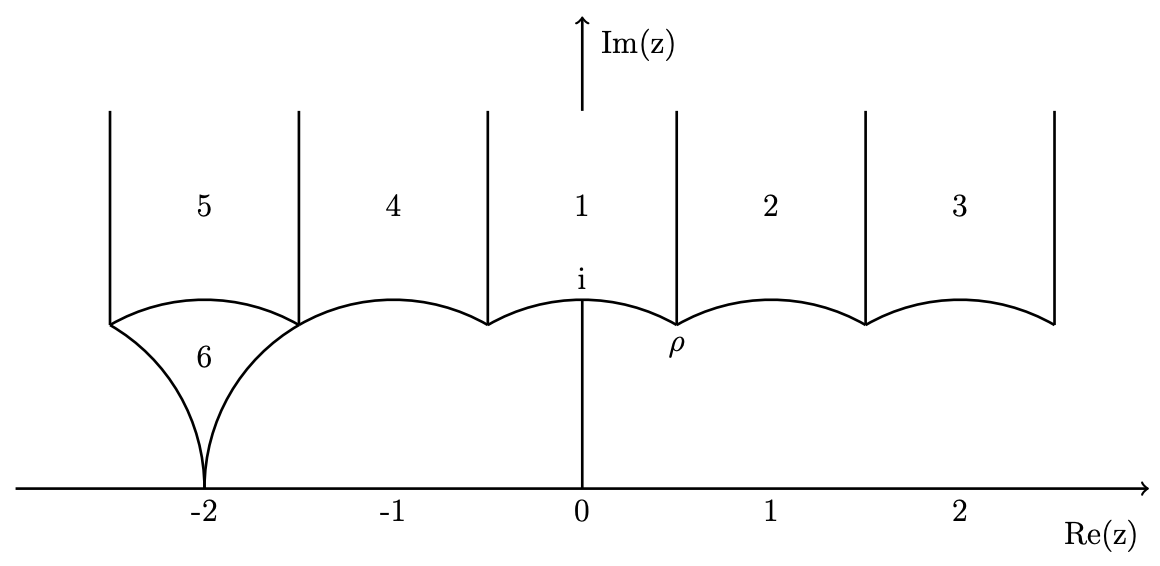
David Berghaus, Hartmut Monien, Danylo Radchenko Mathematics of Computation paper / code This paper presents a fast numerical algorithm to compute modular forms on noncongruence subgroups. |
|
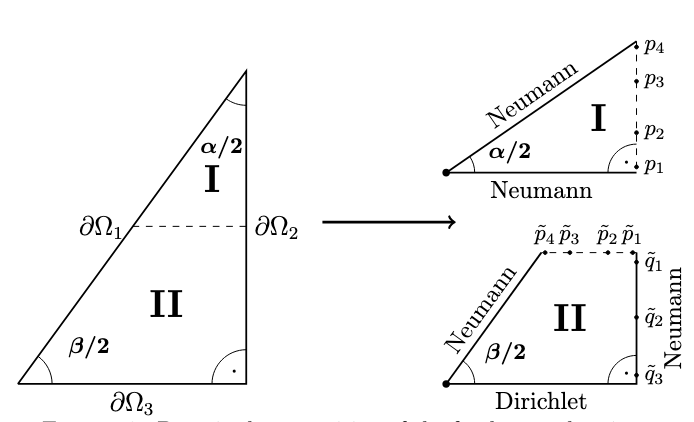
David Berghaus, Robert Stephen Jones, Hartmut Monien, Danylo Radchenko Advances in Computational Mathematics paper In this paper we numerically compute the Laplace eigenvalues of various shapes with dihedral symmetry, to investigate their series expansions. |
|
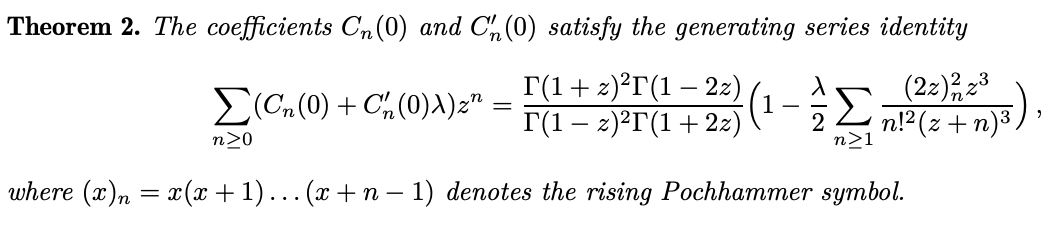
David Berghaus, Bogdan Georgiev, Hartmut Monien, Danylo Radchenko Journal of Mathematical Analysis and Applications paper In this paper we prove that the Laplace eigenvalues of regular polygons admit an expansion that involves multiple zeta values. |
|
This website is based on the template of Jon Barron's website. Used with permission. |